







Navigating the regulatory landscape of retinoids is one of the biggest challenges for skincare formulators. While clinical dermatologists have access to a wide array of highly potent, targeted retinoids, cosmetic brands are bound by strict over-the-counter (OTC) and cosmetic regulations. Understanding the divide between cosmetic and prescription retinoids is essential for formulating products that are both legally compliant and highly effective.
The Prescription Retinoid Landscape
Prescription retinoids are classified as drugs because they are clinically proven to alter the structure and function of the body (specifically, treating conditions like acne vulgaris or psoriasis).
- Examples: Tretinoin (retinoic acid), Adapalene (prescription concentrations), Tazarotene, and Trifarotene.
- Why they are restricted: FDA rules for drugs are strict. These molecules and topical products forms have undergone the New Drug Application (NDA) process and are approved for a specific condition of acne. They are sometimes prescribed off-label for skin aging.
The OTC Retinoid Landscape
The original Adapalene 0.1% acne prescription drug, branded as Differin, was awarded a Rx-to-OTC switch, and other companies can offer equivalent versions.
- Examples: Adapalene 0.1% acne gels
- Why they are restricted: Rx-to-OTC switch products have limited flexibility to change formulation and claims – and no flexibility to change active concentration.
The Cosmetic Retinoid Landscape
Cosmetic retinoids, on the other hand, are intended to improve the appearance of the skin—smoothing texture, enhancing radiance, and minimizing the visible signs of aging—without classifying as a medical treatment.
First-Generation Options: Historically, brands relied on retinol and retinaldehyde. While legal for cosmetic use, these Vitamin A derivatives are increasingly facing strict regulatory caps. For example, the EU now restricts retinol equivalents to 0.05% in body lotions and 0.3% in face products.
For more on how these generations differ, see: Retinoid Generations: First, Second, Third, and Fourth Generation Retinoids
Bridging the Gap: Cosmetic Ester Prodrugs
So, how can a non-prescription skincare brand utilize advanced, third and fourth-generation retinoid science without violating cosmetic regulations? The answer lies in ester prodrugs.
A prodrug is an inactive precursor to an active molecule. By attaching an ester group to a highly active retinoid, cosmetic chemists can create a compound that is legally classified as a cosmetic ingredient, not a drug.
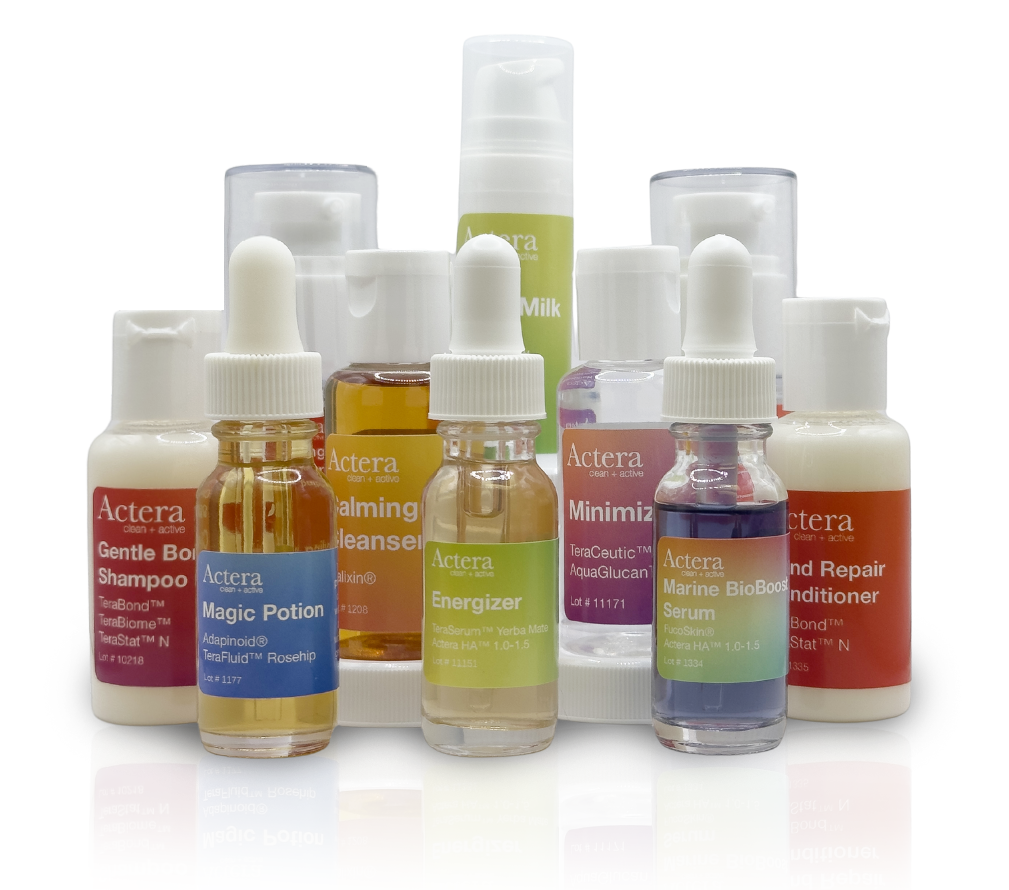
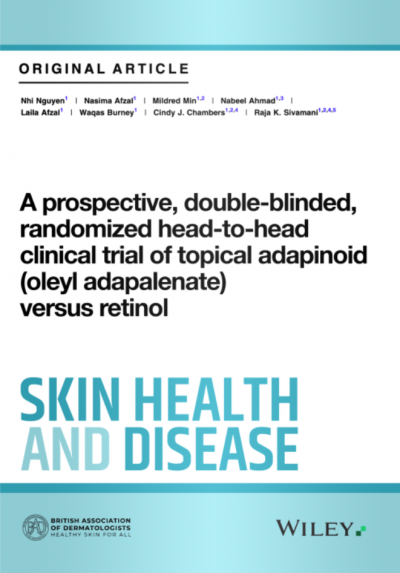
- Adapinoid® (Oleyl Adapalenate): A cosmetic ester that provides the visible skin-renewing benefits of third-generation retinoids.
- Trifarotol® (Trifarotenyl Caprylate): A cosmetic ester that targets the fourth-generation RAR-γ pathway.
These ingredients allow brands to bypass both the instability of traditional retinol and the strict EU Vitamin A caps, offering a globally scalable, highly effective retinoid formulation.