







When formulating for skin renewal, anti-aging, and clarity, brands inevitably face a choice: stick with traditional first-generation Vitamin A (retinol or retinaldehyde) or upgrade to advanced synthetic retinoids like adapalene. Understanding the difference between these two molecules is the key to creating high-performance, low-irritation skincare.
The Core Difference: Receptor Selectivity
The primary difference between retinol and adapalene lies in how they communicate with the skin’s retinoic acid receptors (RARs).
- Retinol (First-Generation): Retinol is a “broad-spectrum” retinoid. Once converted by the skin into retinoic acid, it binds to all three retinoid receptors: RAR-α, RAR-β, and RAR-γ. While effective, binding to all receptors simultaneously triggers widespread inflammatory pathways, leading to the severe dryness and peeling known as retinoid dermatitis.
- Adapalene (Third-Generation): Adapalene is a highly engineered synthetic retinoid. It was specifically designed to bypass the RAR-α receptor entirely, binding selectively to RAR-β と RAR-γ. By only activating the pathways responsible for cellular turnover and ignoring the ones that cause excess inflammation, adapalene delivers exceptional results with significantly higher tolerability.
Stability: Oxygen and UV Resistance
Formulators know that retinol is notoriously fragile. It degrades rapidly in the presence of oxygen, light, and heat, requiring expensive encapsulation, nitrogen blanketing, and opaque airless packaging to maintain its efficacy.
Adapalene, on the other hand, boasts a highly stable naphthoic acid backbone. It is remarkably resistant to photodegradation and oxidation. This chemical stability makes third-generation retinoids vastly easier to formulate and ensures that the active remains potent throughout the product’s shelf life.
Formulating with Third-Generation Retinoids in Cosmetics
While adapalene is a gold standard in dermatology, it is legally classified as an OTC or prescription drug, preventing its use in everyday cosmetic skincare.
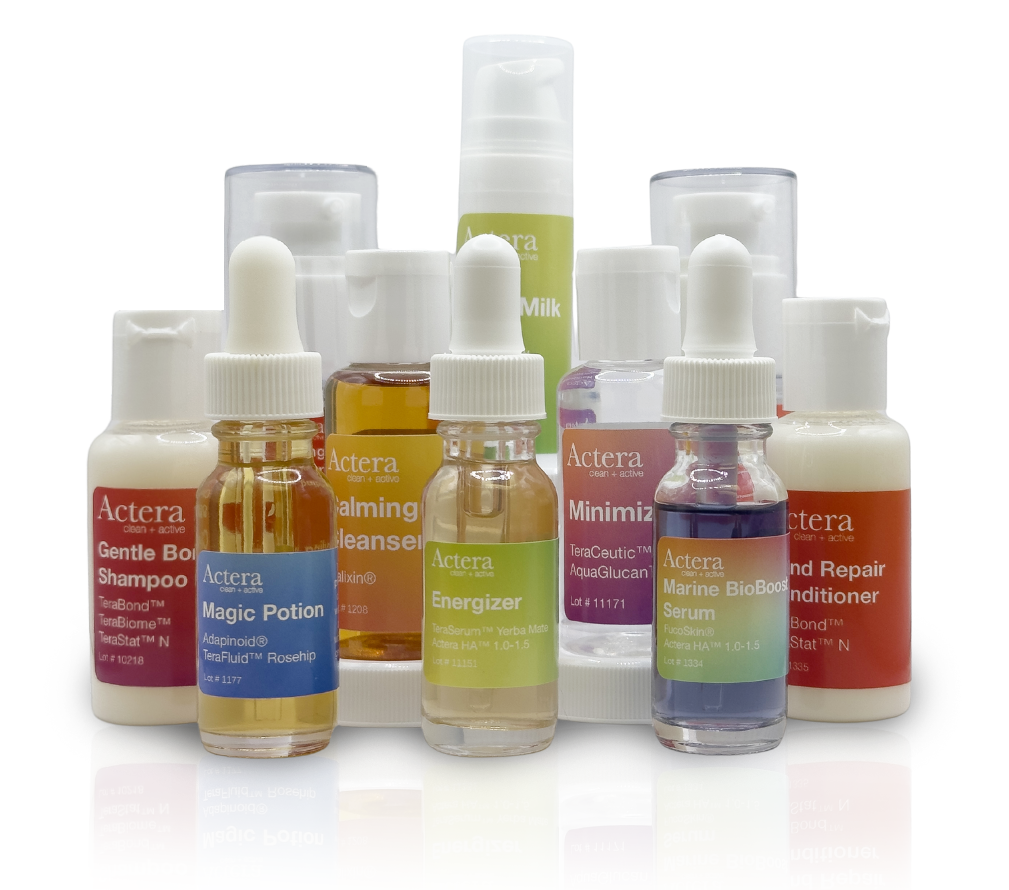
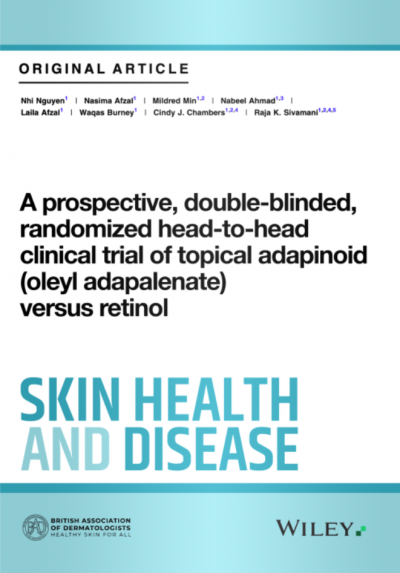
To solve this, Actera introduced Adapinoid® (INCI: Oleyl Adapalenate). Adapinoid® is a smart prodrug—an esterified precursor to adapalene. Once applied, the skin’s natural esterase enzymes slowly cleave the oleyl group, delivering third-generation retinoid activity directly to the receptors.
According to published clinical data, this slow-release mechanism allows Adapinoid® to outperform traditional retinol in visible wrinkle reduction and skin smoothness, all while maintaining strict cosmetic regulatory compliance and avoiding the strict EU caps on Vitamin A.